Woodhavyn Community Center

Woodhavyn Community Center
CLIENT
SHEA HOMES
SECTOR
COMMUNITY
STATUS
IN PROGRESS

In the heart of Magnolia, the Woodhavyn Community Center rises as more than just a building, it becomes the anchor of a growing neighborhood. Set beside a lively community pool, bubbling pond fountains, shaded play area, rotating food trucks, and thoughtfully landscaped parkgrounds, the center was envisioned as the social heartbeat of the development.

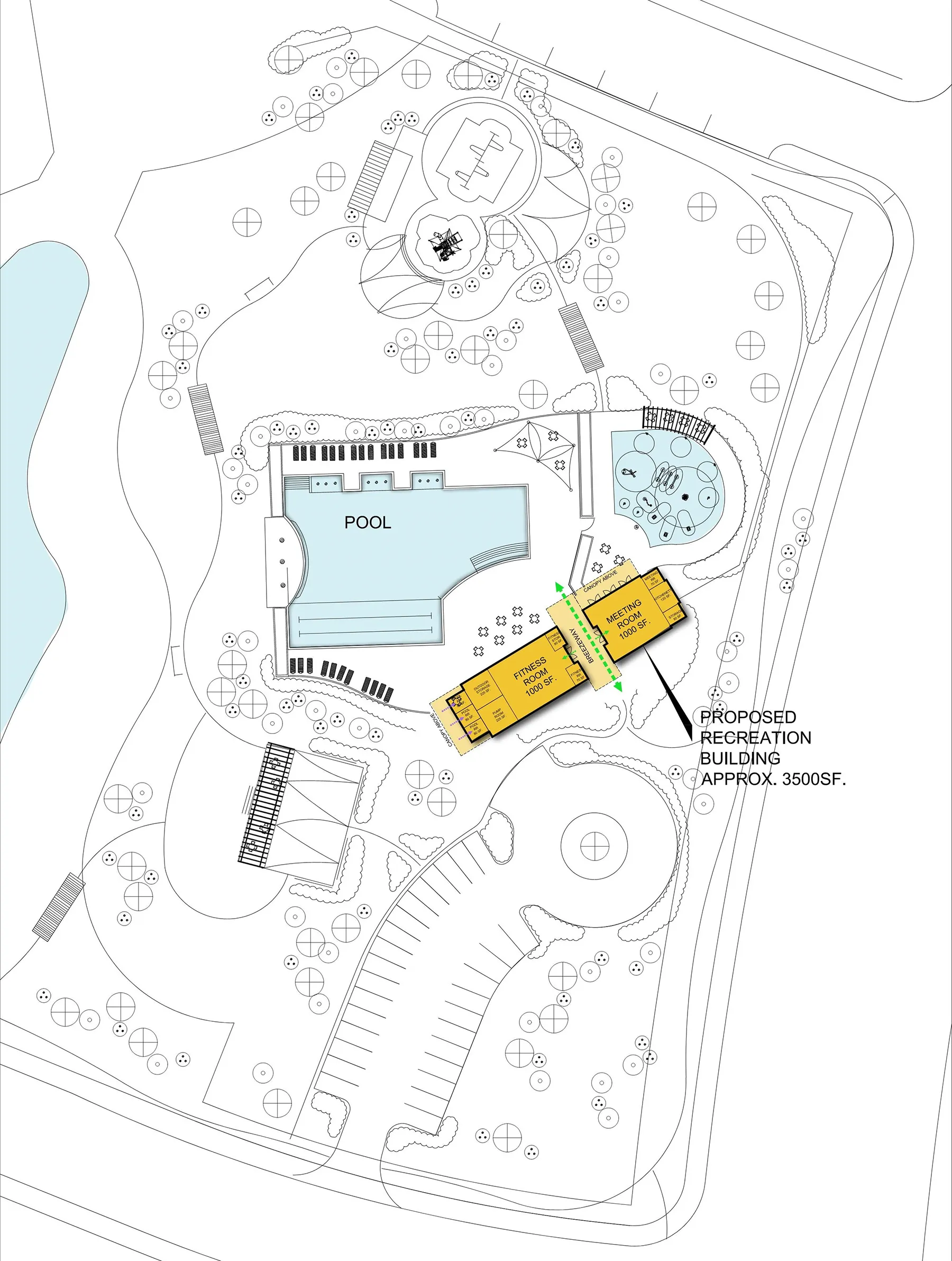
From the very beginning, the story of the building was about clarity and purpose. It is parted into two distinct yet connected halves. On one side, naturally ventilated restrooms serve the community pool, durable, efficient, and designed for constant summer activity. On the other, a flexible meeting space unfolds; a welcoming room paired with a serving area, ready to host neighborhood meetings, birthday parties, celebrations, and seasonal events. Between these two halves lies a grand threshold, a gateway that transitions visitors from the parking lot into the amenity center.

Space Planning

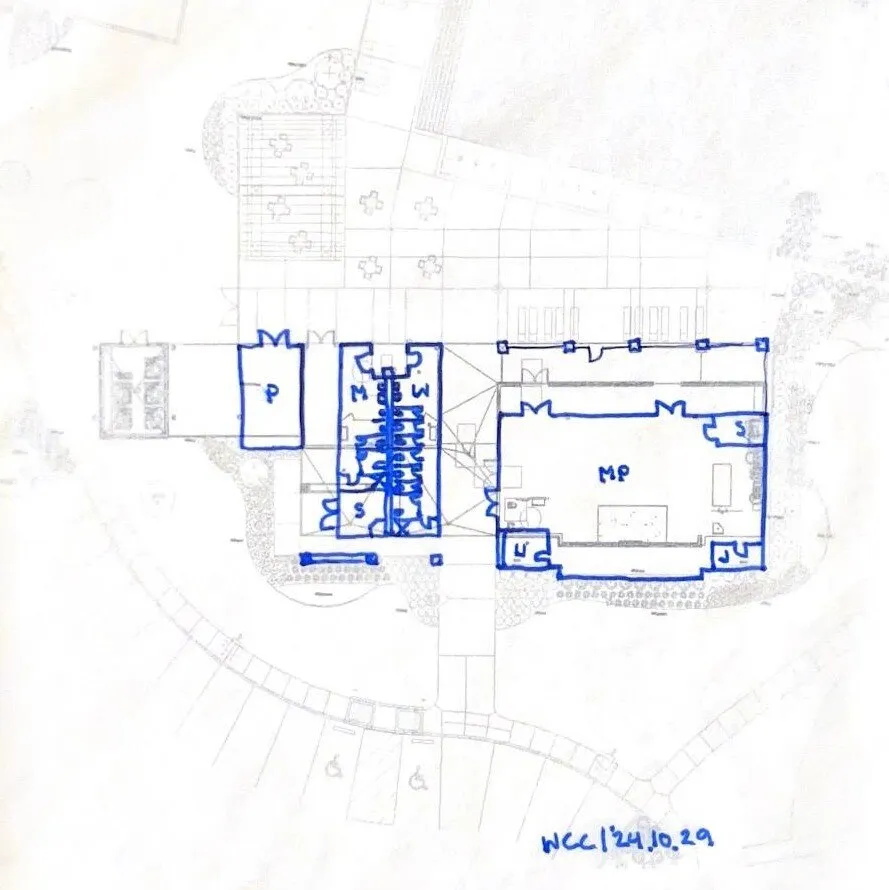
The design journey began on paper, with multiple iterations. Each plan explored how to balance code requirements, client needs, and everyday rhythms of the community.

The restrooms needed to function seamlessly during peak pool hours, with direct access and clear circulation. Meanwhile, the multipurpose space had to feel open and adaptable yet grounded by essential support rooms wrapped thoughtfully around the central gathering area. Storage, service access, and flow were carefully choreographed so events could transition effortlessly from setup to celebration.

Most importantly, the meeting room was positioned to extend naturally outward. The large opening guides the guests onto a patio that overlooks the pool, allowing indoor events to spill into the outside. Whether it's a summer evening party or neighborhood meetings, the building expands beyond the walls, embracing the energy of the water and the park.
No items found.
No items found.

Going Vertical

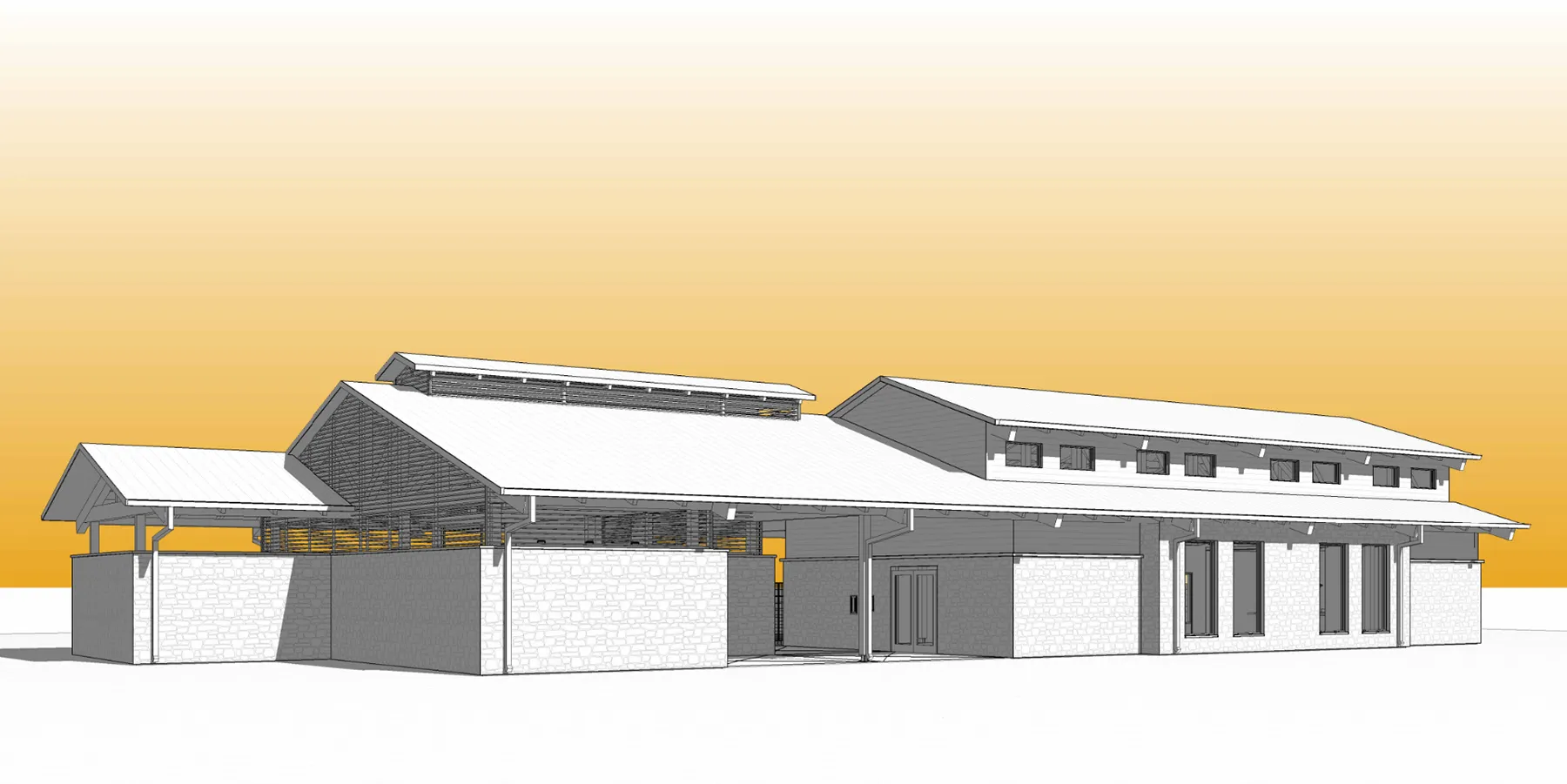
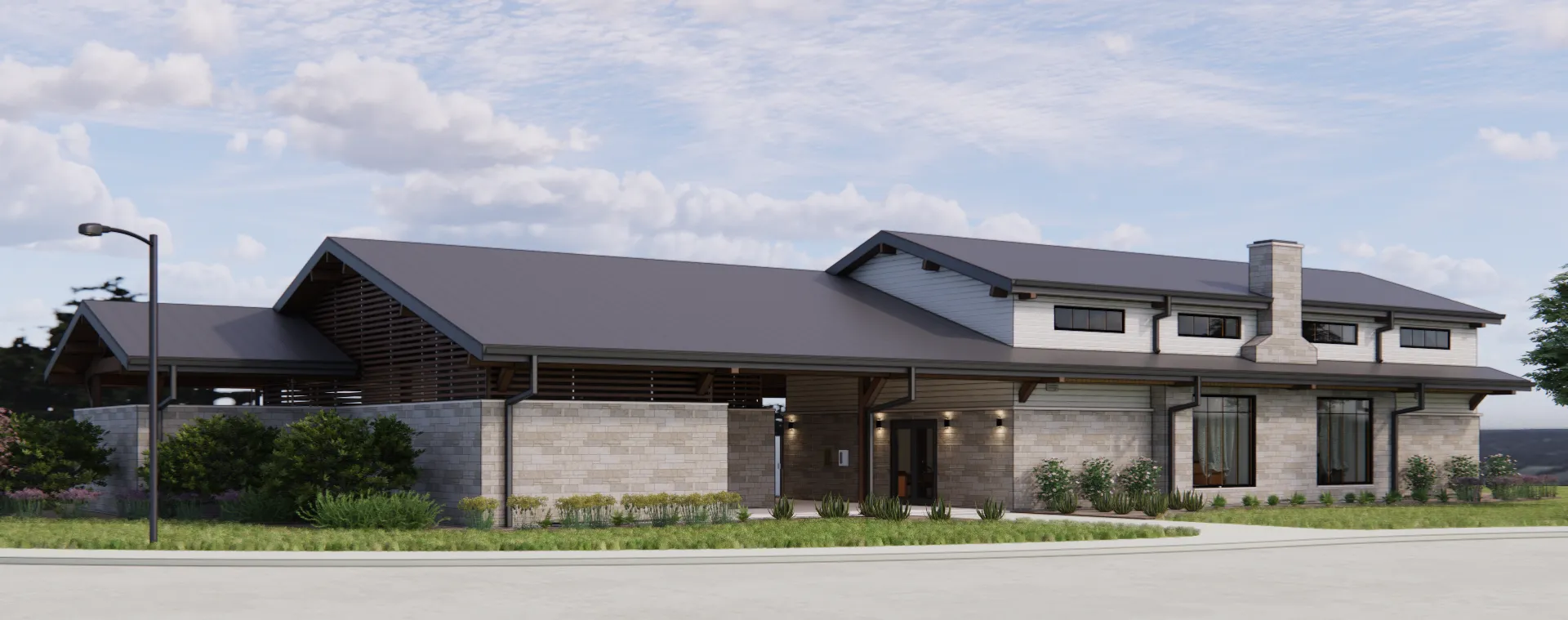
As the floor plan solidified, attention turned upward. Proportions were studied to ensure the building felt welcoming without overpowering the landscape. Rooflines were shaped to create hierarchy between the two halves while maintaining a cohesive identity.

Materiality became central to the narrative, durable finishes for high traffic pool facilities and warmer textures for the gathering space. Lighting was designed to shift the atmosphere from bright and functional during the day to warm and inviting in the evening. Natural ventilation guided key decisions, particularly in the restroom wing, where airflow reduces energy demand and enhances comfort during Texas summer months.

This stage brought about focus on proportions, materiality, lighting, and natural ventilation.

No items found.
No items found.

Photorealism

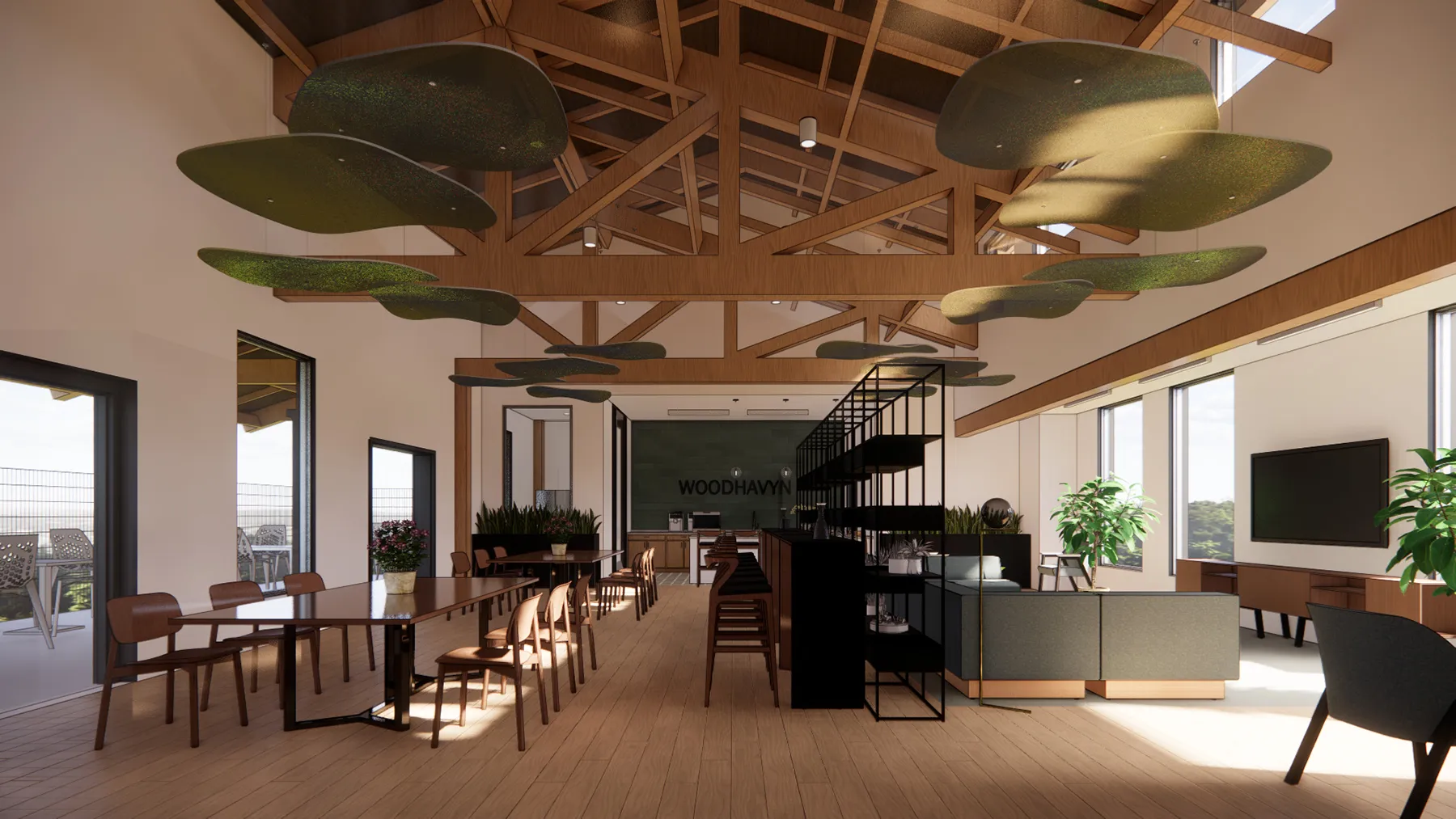
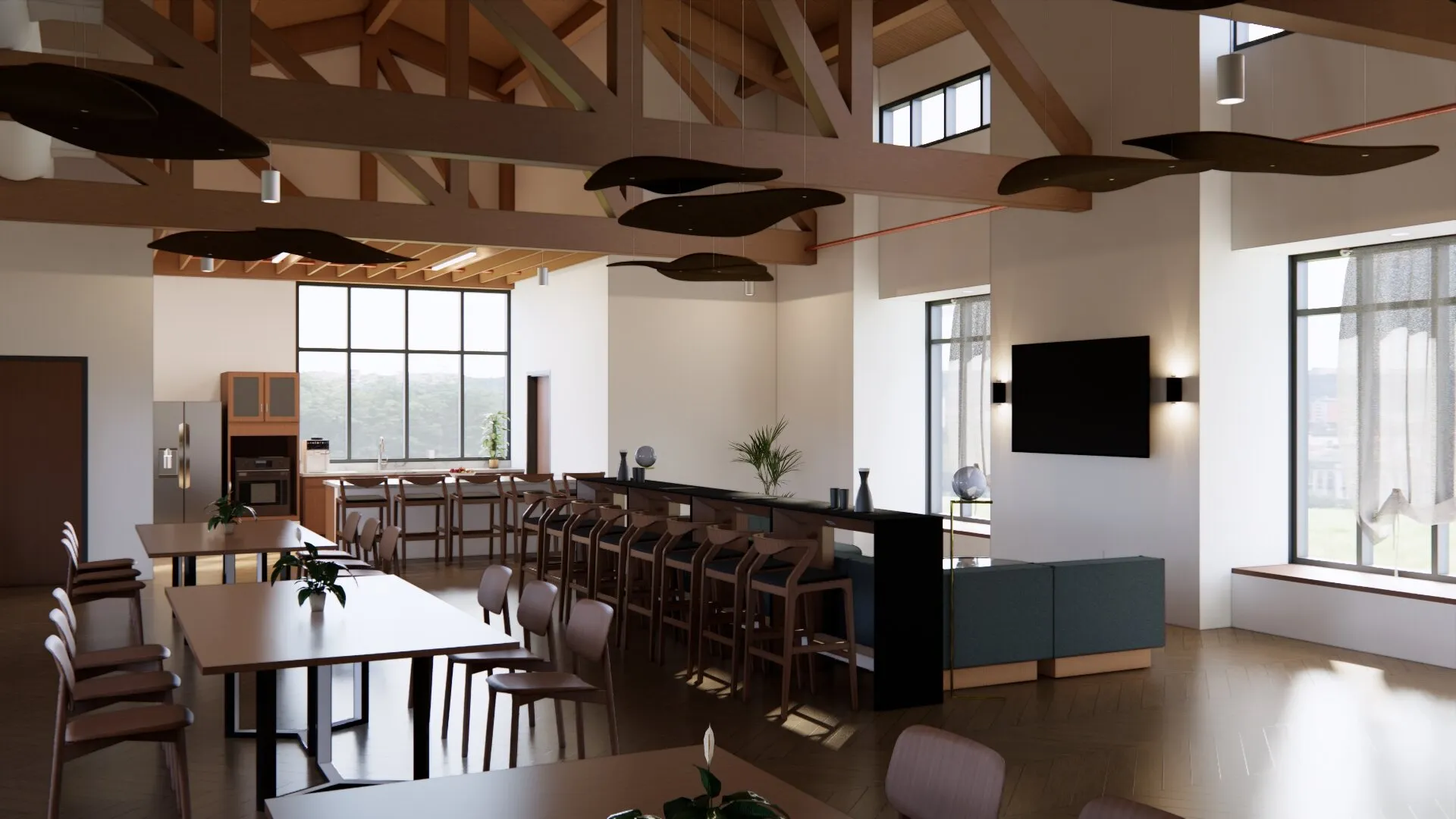
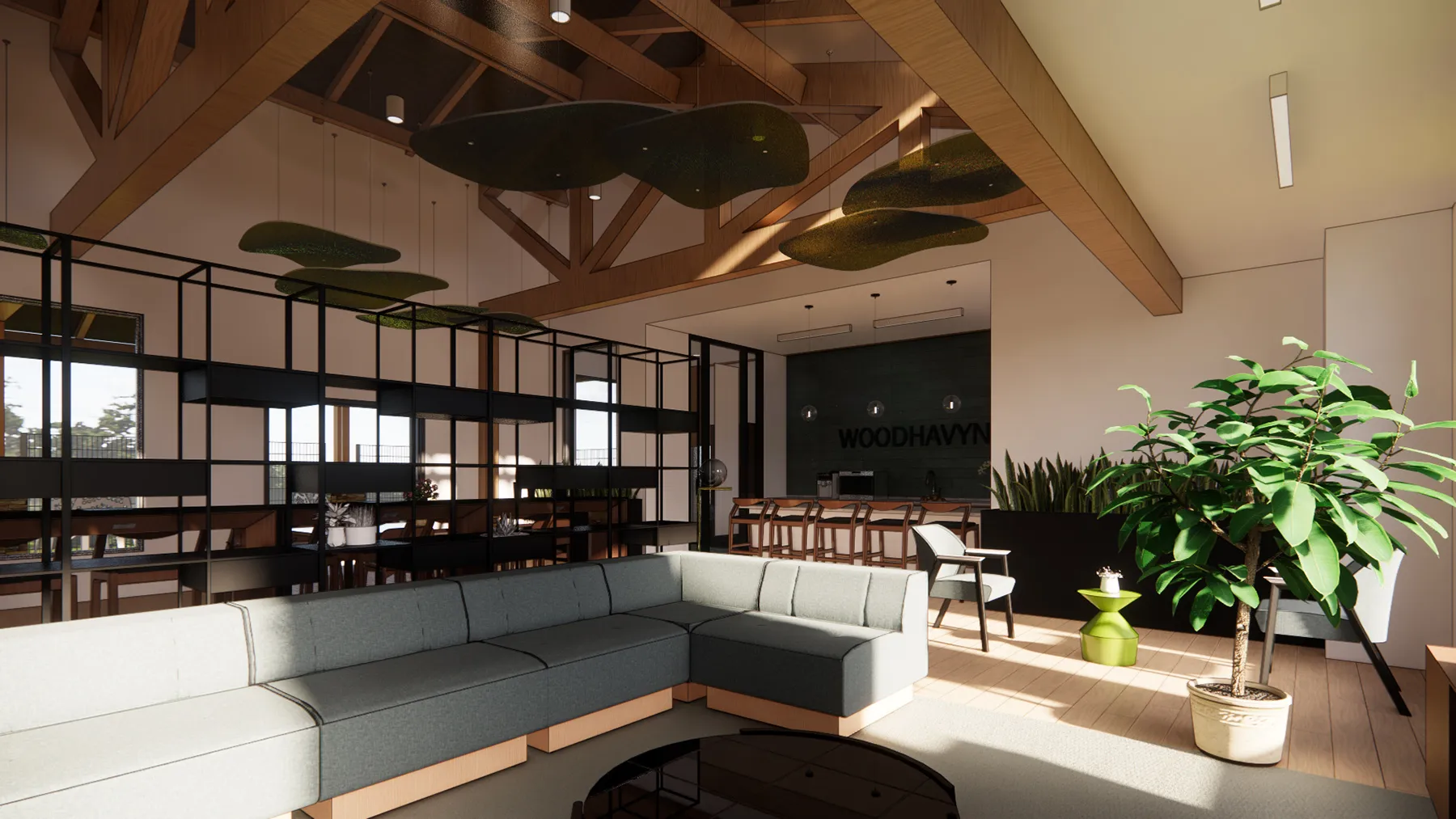
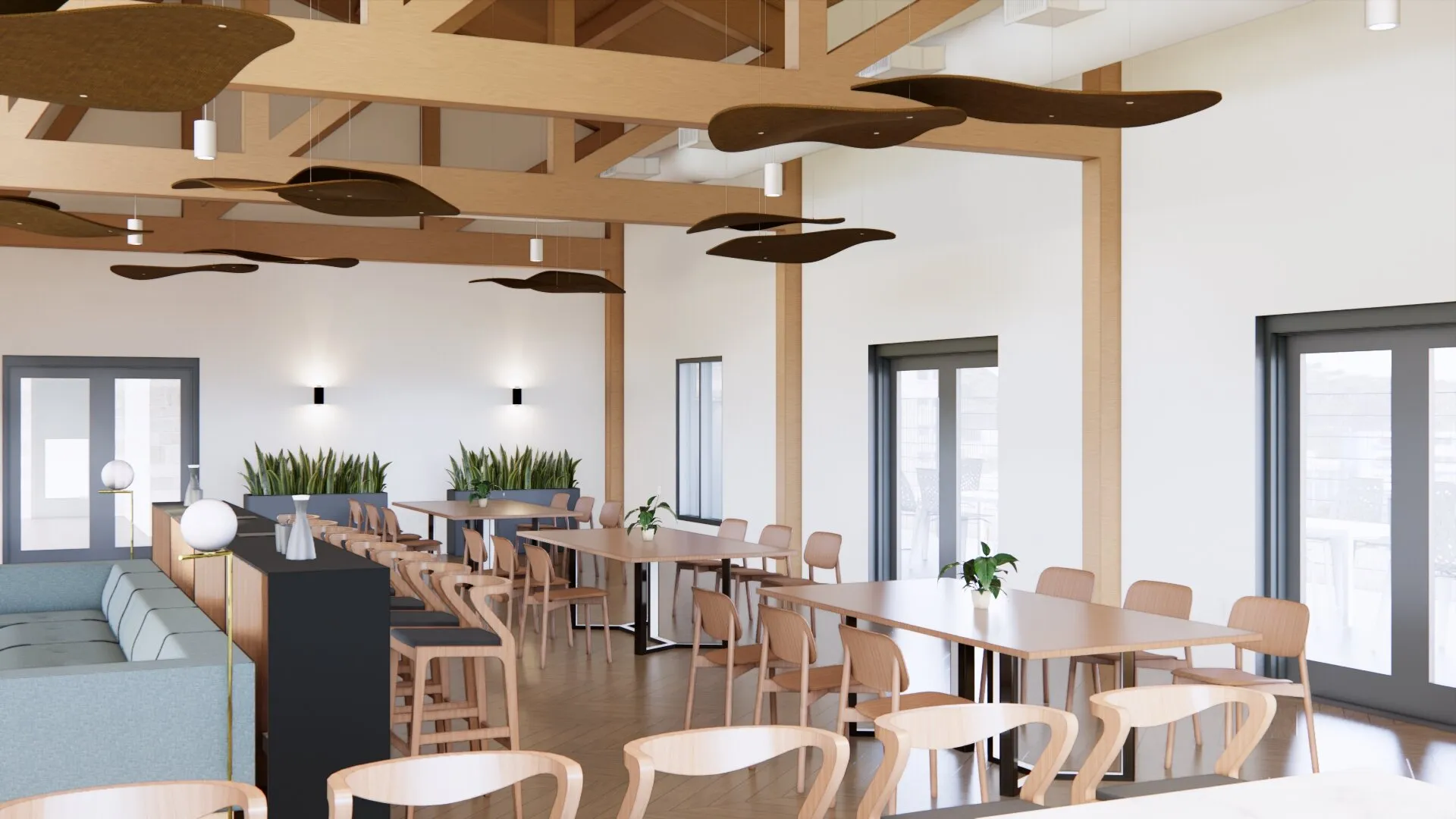
The final stage brought the vision into focus. Through photorealistic renderings, the interior community room came alive, sunlight washing across the floor, furniture arranged for connection, and views stretching toward the patio and shimmering pool beyond.

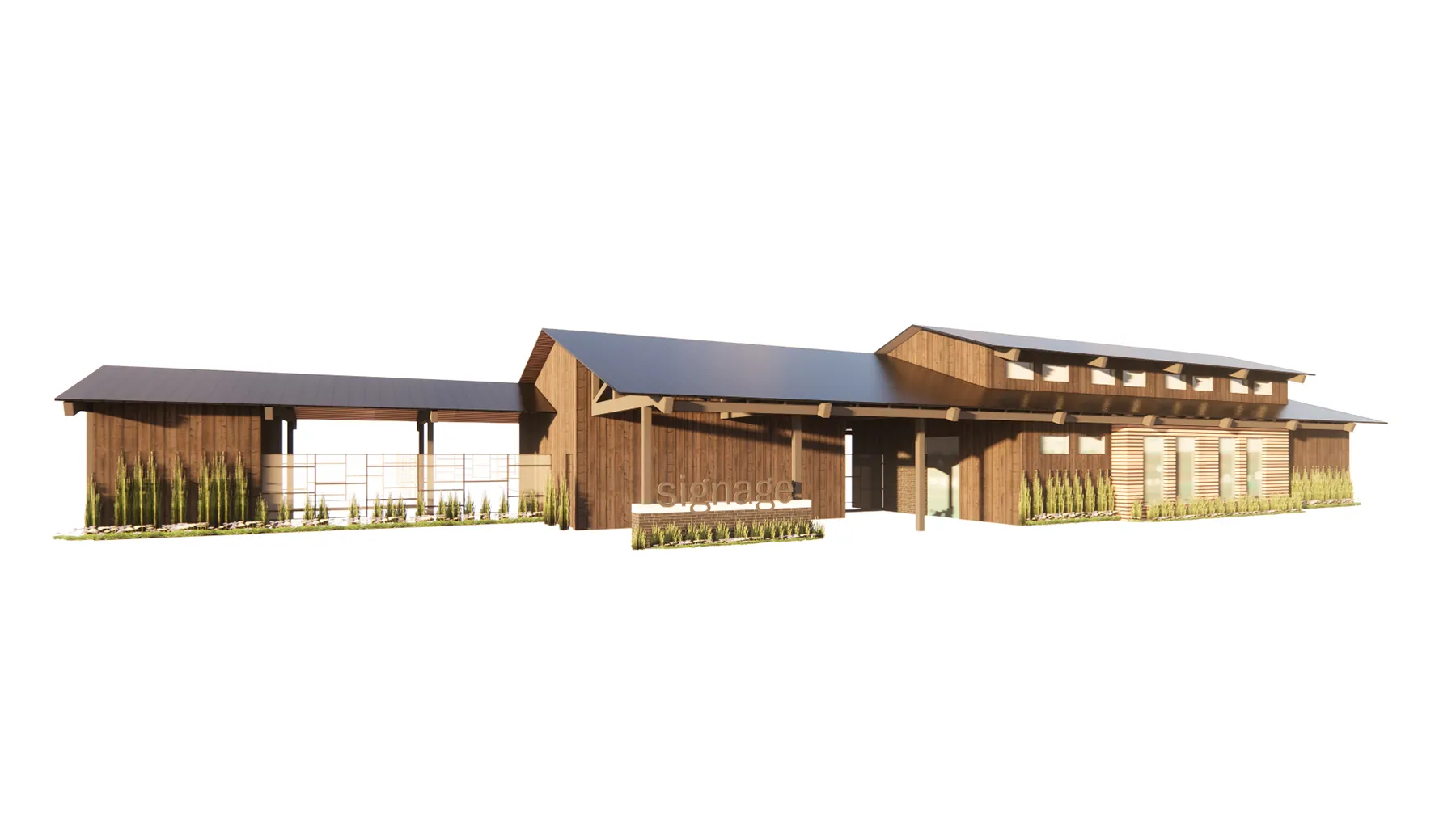
The primary approach to the community center was refined to capture the first moment of the arrival. The framing of the entry, the interplay of light and shadow, and the visual pull toward the water. The renderings tell the full story of two halves working together, of indoor and outdoor life blending seamlessly, and a building designed not just to serve a park, but to strengthen a community.

No items found.
No items found.

No items found.
No items found.

No items found.
No items found.

RESULTS + VITAL STATISTICS